What goes wrong without it
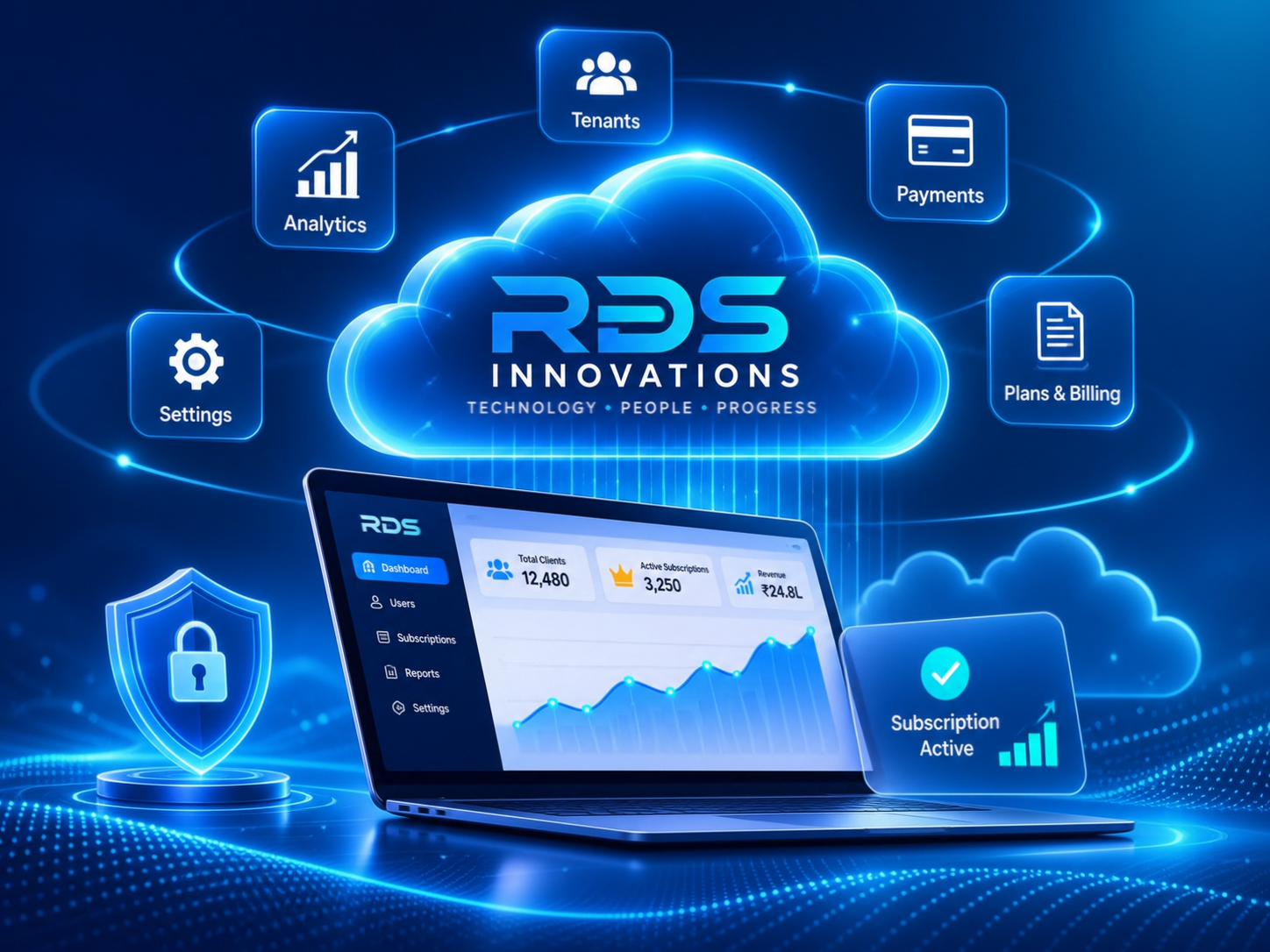
Many SaaS ideas begin inside an existing business. A firm builds a spreadsheet, a process or an internal tool that works well, and other companies ask to use it. Other ideas start with a founder who understands an industry problem in detail. In both cases the hard part is not the core feature. It is everything around it: a separate account for each customer organization, user invitations, plans, payments, renewals, support and the controls the operator needs.
Teams often underestimate this operating layer. They launch an application built for a single company, then try to add a second customer and discover that data is not separated, settings are fixed in code and there is no way to pause an account that has stopped paying. Billing is handled through manual invoices and reminder calls. Every new customer needs developer time to set up.
No-code builders and generic tools can help validate an idea, but they can restrict how data is structured, what can be integrated and who controls the product. When the software itself is the business, those restrictions affect pricing, the ability to change direction and the long-term value of what you are building.